By the end of June in the Valley, every AC company is booked solid and every homeowner whose system quit is waiting. The systems that fail in July almost always gave warning in the spring; the difference between a same-day fix and three days without cooling is usually whether anyone was paying attention. Here's what to check, and what to watch for.
First, the filter. It's the least glamorous part of the system and the cause of a surprising share of the breakdowns we see. A clogged filter restricts airflow across the evaporator coil, the coil gets too cold, ice forms, and the system either stops cooling or the compressor starts working against a block of ice. In a Valley summer, with the system running most of the day, check it monthly and change it every one to three months — sooner if you have pets or live near a dusty road.
Second, the outdoor unit. The condenser needs to breathe. Clear grass, leaves, and anything stored against it, and keep at least two feet of open space on every side. If the fins are packed with dirt or cottonwood fluff, a gentle rinse with a hose from the inside out helps — never a pressure washer, which folds the fins. A unit that can't shed heat runs hotter, longer, and dies sooner.
Third, the drain line. Valley humidity means your AC pulls gallons of water out of the air every day, and it all leaves through a small PVC pipe that grows algae. When it clogs, the water backs up into the drain pan and either shuts the system off on the float switch or, in older installs, overflows onto the ceiling below. Pouring a cup of white vinegar down the drain line every month or two keeps it clear. If you see water around the indoor unit, call — that's not something to leave.
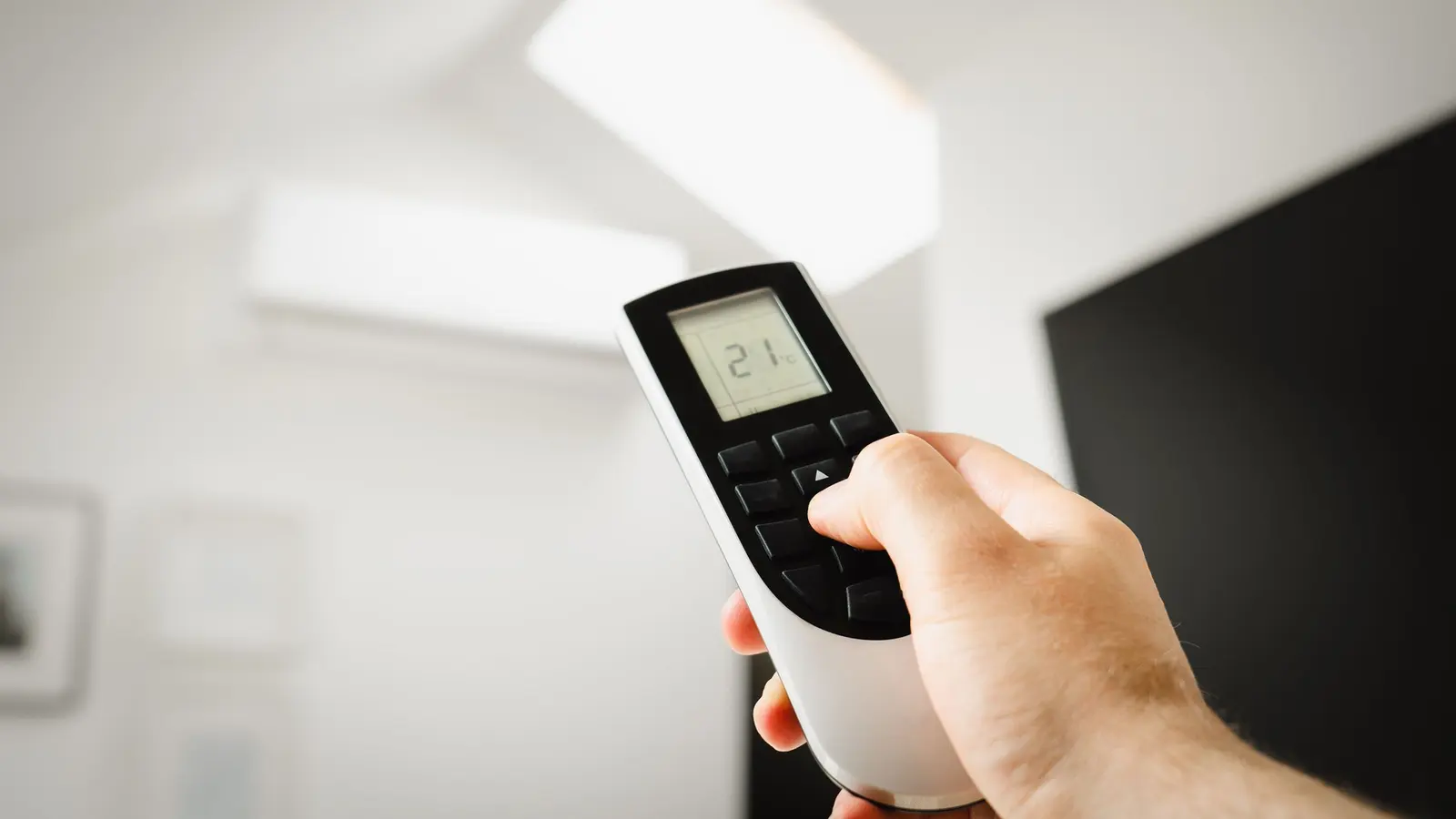
Fourth, the thermostat. Put in fresh batteries if it takes them, and make sure it's actually set to COOL and AUTO rather than ON — the fan running constantly doesn't cool the house, it just moves warm air around and puts humidity back in. If you've never used the schedule, this is a good time: even a few degrees of setback while the house is empty adds up over a Valley summer.
Fifth, run it before you need it. Pick a warm day in April, set the thermostat five degrees below room temperature, and listen. It should start smoothly, the outdoor fan should spin, and within fifteen minutes the air at the vents should be noticeably cold — around 15 to 20 degrees cooler than the air at the return. If it's not, that's your signal to call while the schedule is still open.
Sixth, and most useful: have it looked at. A spring check — coil cleaning, drain flush, refrigerant pressures, capacitor and contactor test, amp draw on the compressor — takes about an hour and catches the parts that are about to fail. A capacitor reading weak in April is a ten-minute swap. The same capacitor failing on the Fourth of July is a house at 88 degrees and a wait.
Warning signs that mean call now, not later: warm air from the vents; ice on the copper line or the indoor coil; the outdoor unit humming but the fan not spinning; the system turning on and off every few minutes; water near the air handler; a breaker that trips more than once; or an electric bill that jumped with no change in how you use the house. None of those get better on their own, and most of them get expensive if the system keeps running.
Want us to check it before the heat does? Call Fast Cooling AC Service at (956) 331-1780. We serve Pharr, McAllen, Edinburg, Mission, San Juan and Alamo, Monday through Saturday.